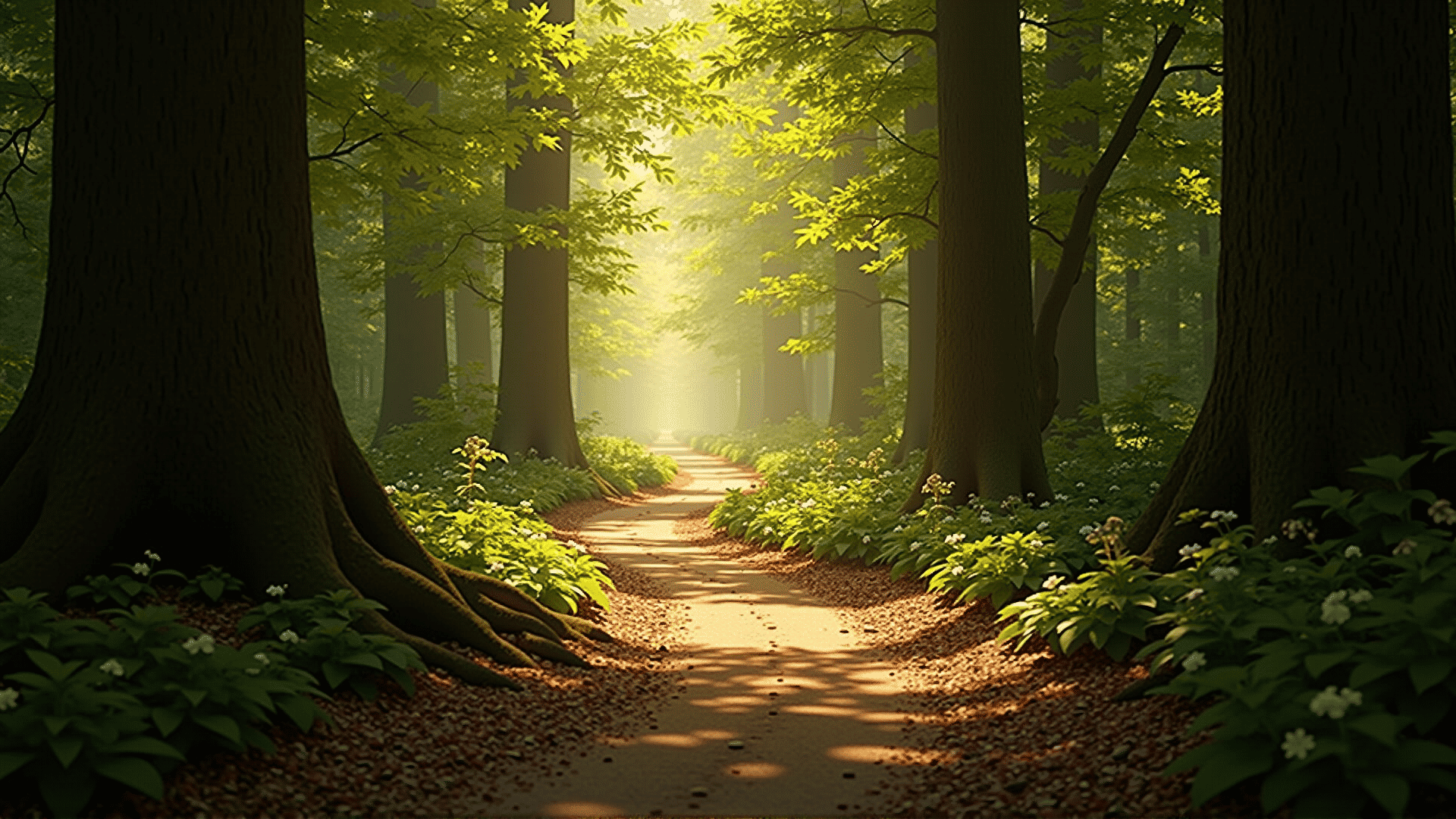
Natural illumination can transform a simple scene into an extraordinary image, adding depth and authenticity. Mastering the art of using such light in your compositions can elevate your work, highlighting the natural beauty captured within each frame.
First, it's essential to understand the qualities of natural radiance. It varies throughout the day and changes with weather conditions. Early morning and late afternoon offer warm hues, often referred to as "golden hour," ideal for creating soft and flattering lighting. During midday, the light is harsher and brighter, creating stronger contrasts and shadows, which can be striking if used thoughtfully.
To make the most of these natural nuances, consider the direction from which the light falls. Side illumination can add depth and accentuate textures, creating a three-dimensional feel. Backlighting, where the source of radiance is behind your subject, can result in stunning silhouettes or provide a glowing aura around translucent objects like leaves or glass.
Reflectors are a handy tool for manipulating these sunlit effects. By bouncing light onto your subject, you can soften shadows and bring subtle details to life. Natural reflectors, such as a nearby building with a light facade or a sandy beach, can also serve this purpose effectively.
The composition is another key aspect when harnessing daylight. Use the interplay of light and shadow to guide the viewer’s eye to focal points within the frame or to create leading lines. Pay attention to the way this illumination creates patterns or highlights textures, which can add intrigue and dimension.
Consider the role of weather in shaping your visual narrative. Overcast skies act as a giant softbox, diffusing sunlight and providing even, shadowless lighting. This can be perfect for portraits or scenes requiring a gentle touch. On the other hand, a partly cloudy day offers dynamic environments with shifting light, allowing for creative and unexpected results.
Experimentation is your ally in discovering the full potential of ambient light. Try capturing scenes at different times and under varying conditions to see how they affect the mood and texture of your images. This practice will not only help you develop a keen eye but also deepen your understanding of the diverse ways daylight can enhance your work.
By embracing these techniques, you are not just capturing images but crafting stories within each snapshot, using the natural world as your canvas. Let the ever-changing light guide you to new heights and inspire a deeper appreciation for the beauty of the world through your lens.