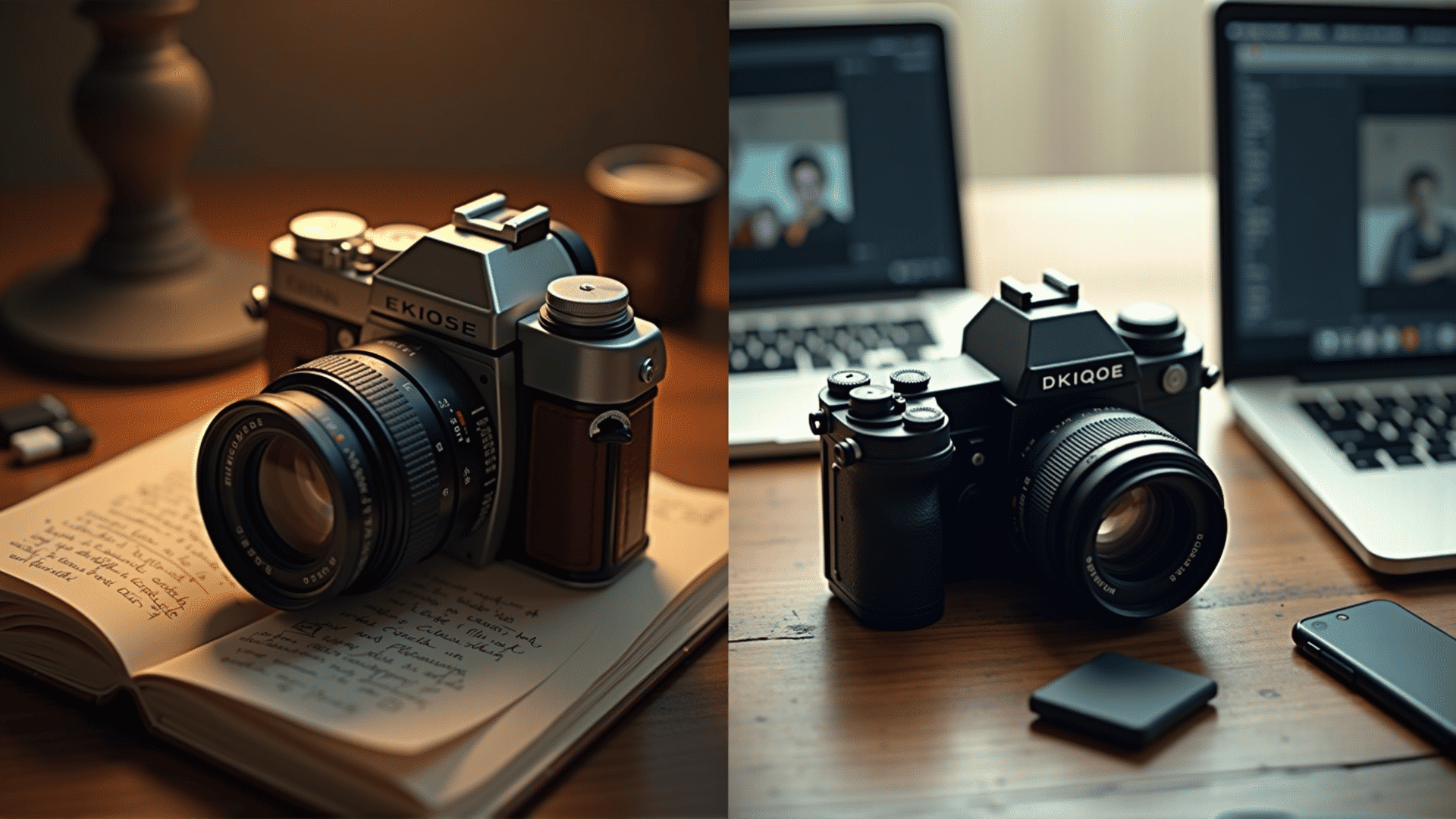
Navigating the realm of image capturing today presents creators with a multitude of tools and techniques that can spark innovation and lend a distinct flair to their work. The evolution from traditional methods to digital platforms has transformed the way we capture, process, and perceive images. Both digital and traditional approaches have their own intrinsic values, offering a rich array of possibilities for expanding one's creative toolbox and enhancing artistic style.
Traditional Techniques: A Timeless Foundation
Traditional methods, like film-based platforms, hold a special place in the hearts of many enthusiasts. The tactile nature of film—winding the roll, hearing the click of a shutter, and eventually developing photos in a darkroom—imbues the process with a sense of tangible craftsmanship. Film techniques require meticulous planning due to limited exposures and the cost of film rolls, pushing creators to sharpen their skills in composition and lighting.
The unpredictability and unique character of film, with its graininess and color rendition, provide distinctive results that are often challenging to replicate digitally. Furthermore, the suspense of waiting to see the developed images creates an element of surprise and satisfaction that many cherish. Incorporating traditional methods can offer depth and warmth to one's repertoire, delivering authenticity and a vintage aesthetic that resonates emotionally with audiences.
Digital Techniques: The Modern Frontier
In contrast, digital modes offer unprecedented flexibility and efficiency. The digital world facilitates immediate gratification, allowing creators to view and adjust their work instantaneously. This immediacy is invaluable in fast-paced environments, where capturing the moment is crucial. Digital platforms offer endless experimentation with numerous adjustable settings, filters, and post-processing software to enhance or completely transform an image.
The digital domain excels in its capacity for manipulation and storage. High-resolution capabilities and powerful editing tools mean images can be refined or altered to align perfectly with the creator's vision. Moreover, digital methods broaden accessibility, enabling easy sharing and collaboration, thus connecting creators with a global community and fostering inspiration and feedback.
Bridging the Gap: An Artistic Synergy
The ultimate creative strength lies in the fusion of these two contrasting techniques. Using traditional tools can infuse projects with a grounding historical perspective and emotional resonance, while digital approaches bring versatility and boundless creativity. For instance, emulating film grain in digital post-processing can inject a sense of nostalgia and warmth into images that retain the clarity and vividness that digital technology offers.
Creators can further enrich their practices through cross-training, learning from both worlds to foster adaptability and breadth of expertise. Experimenting with different formats not only builds technical skills but also prompts artistic growth by challenging one to perceive the world through multiple lenses.
Conclusion
Whether one gravitates towards the analog charm of traditional approaches or the dynamic innovation of digital methods, each technique brings its own advantages to the table. By embracing both, creators can construct a diverse style that benefits from the strengths of each, ultimately resulting in more varied and compelling artistry. Embracing this duality can lead to a more comprehensive creative vision, inspiring projects that capture the essence of diverse perspectives in captivating ways.